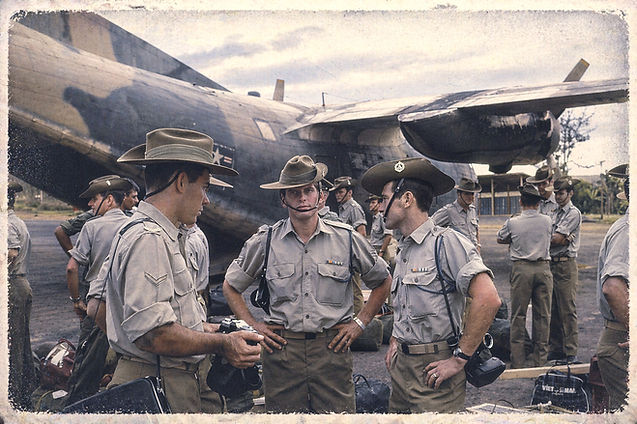
After the Battle
Return and Recognition
The fighting at Fire Support Base Coral in May 1968 was among the most intense experienced by Australian forces in the Vietnam War. In the weeks that followed, operations continued across the area, but for many soldiers, Coral marked a turning point — a moment when the nature of the war became immediate, close, and deeply personal.
Units withdrew from the Coral position in early June. Patrols and operations continued, but the experience of sudden attack, close-quarters fighting, and loss remained with those who had been there. Coral was not a single moment, but a sequence of events that left a lasting impression on those involved.
For many, the return home to Australia brought a different kind of challenge. Unlike earlier conflicts, there were no large public welcomes. The war had become increasingly controversial, and service in Vietnam was not always openly acknowledged or understood. Many veterans returned quietly, resuming work and family life with little recognition of what they had experienced.
The effects of Coral did not end with the battle. For some, memories of the fighting remained vivid for years. Others carried the loss of mates, or the weight of experiences difficult to explain to those who had not been there.
In time, recognition followed. Reunions, memorials, and official acknowledgements ensured that the actions of those who served at Coral would not be forgotten. Today, the Battle of Fire Support Base Coral is recognised as one of the most significant engagements involving Australian forces in Vietnam.
Let's hear from the soldiers who were there and what they think is the significance of the Battle of Coral Balmoral, and their return home.
Banner Photo: 1 RAR Mortarmen prepare to fly home


